In the realm of recovery from injury, yoga has emerged as a powerful ally. Among its various styles, yin yoga stands out for its unique approach to healing and rehabilitation. With long-held postures that target deep tissues and connective structures, it offers a way to nurture the body back to health. But how effective is yin yoga in this context? And what should practitioners be aware of?
Understanding Yin Yoga
Yin yoga differs significantly from more dynamic styles like vinyasa or power yoga. It emphasizes slow, deliberate movements and extended holds, allowing gravity to do much of the work. This meditative practice focuses on passive stretches and targets deep connective tissues such as ligaments, tendons, and fascia. For someone recovering from an injury, this can provide profound benefits.
One common misconception is that yin yoga lacks intensity and is simply a gentle form of stretching. In reality, while it may appear less physically demanding at first glance, the sustained holds require both mental focus and physical endurance. The body engages muscles differently compared to more vigorous practices, which can enhance flexibility without the risk of overexertion.
The Benefits of Yin Yoga for Recovery
Engaging in yin yoga can serve numerous purposes for those on the mend. First, its ability to promote blood circulation supports healing by delivering essential nutrients to injured areas. Second, the practice encourages mindfulness and breath awareness — crucial components for managing pain and promoting mental well-being during recovery.
Flexibility benefits play a significant role too. By focusing on long holds, practitioners gradually increase their range of motion. This gentle approach can be especially helpful after injuries that result in stiffness or reduced mobility. Importantly, these adaptations occur without straining muscles or joints.
Moreover, yin yoga aids in stress reduction. Chronic pain often leads to feelings of anxiety or frustration; yin's calming nature provides a refuge where one can reconnect with their body and mind. The mental resilience developed through this practice can be just as vital as Helpful resources physical healing.
How Yin Yoga Compares with Other Styles
When considering whether yin yoga is enough exercise during recovery, it helps to compare it with other styles like vinyasa or hatha yoga. While vinyasa tends to emphasize strength and aerobic fitness through flowing sequences, yin focuses on deep release and relaxation.
For individuals at varying fitness levels or those new to yoga altogether, yin provides an accessible entry point into movement without requiring advanced skills or high levels of strength. This inclusivity makes it particularly suitable for those who may feel intimidated by more vigorous forms of exercise.
However, one must also recognize yin's limitations within a comprehensive recovery plan. Practicing solely yin may not yield sufficient strength-building benefits that certain injuries require for complete rehabilitation. Incorporating strength training alongside yin can create balance — targeting both flexibility through long holds while simultaneously fostering muscle engagement.
Maximizing Your Recovery Days with Yin

Recovery days are essential when healing from an injury — they allow the body time to repair itself without undue stress. On these days, opting for a session of yin yoga can facilitate active recovery by promoting blood flow without overtaxing your muscles.
Long-held postures in yin provide an opportunity for introspection during challenging times. Poses such as butterfly or supported bridge not only stretch but also support emotional release — vital when navigating the ups and downs of recovery.
Practicing regularly enhances mobility over time; however, it’s advisable to listen closely to your body’s signals throughout this journey. Some days you may find certain poses uncomfortable due to lingering soreness; adjusting your practice accordingly will help ensure safety while still reaping rewards from each session.
Addressing Common Misconceptions
As with any therapeutic approach, misconceptions about yin yoga abound. One prevalent belief is that holding postures for extended periods might lead to injury rather than healing; however, when approached mindfully and with respect for individual limits, long holds actually promote tissue regeneration rather than harm.
Another misunderstanding concerns calorie burn — many people overlook the metabolic benefits inherent in slower practices like yin yoga because they associate exercise primarily with cardiovascular exertion. While it may not torch calories like intense HIIT workouts would do, it effectively engages the parasympathetic nervous system which fosters overall wellness.
Integrating Yin Yoga into Your Routine
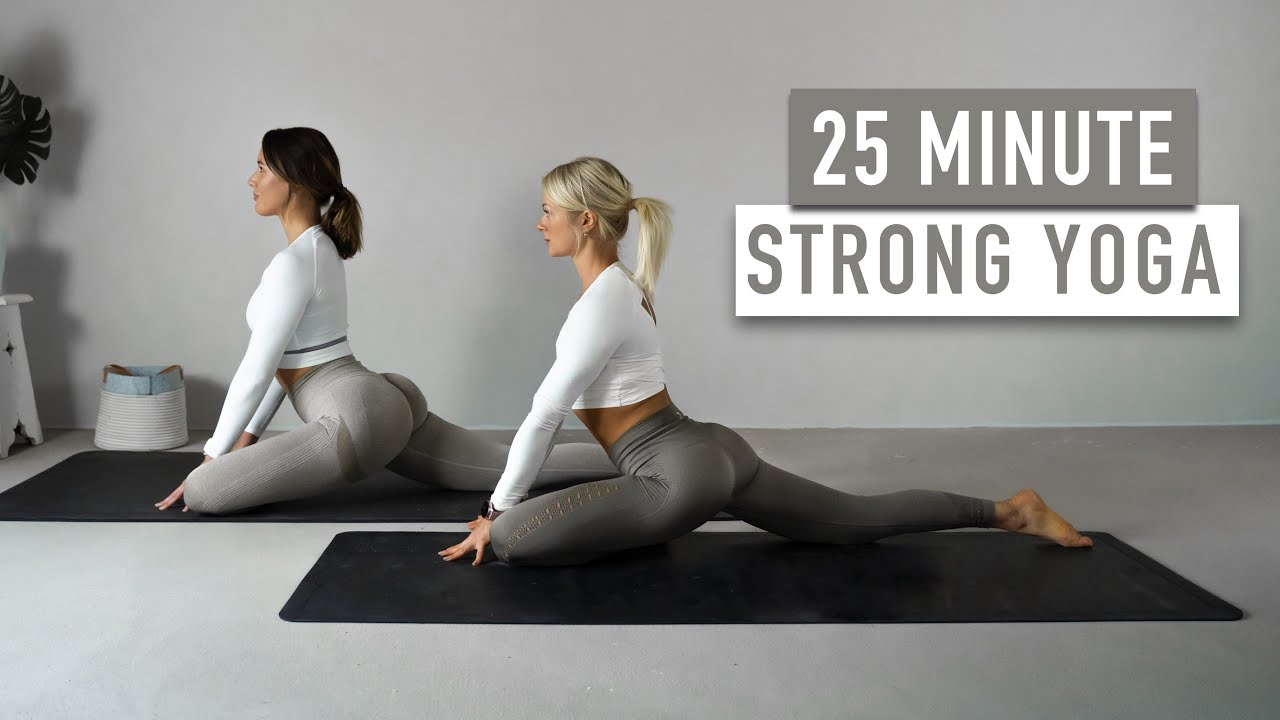
For those eager to integrate yin into their recovery routine yet unsure where to begin: consider starting with two sessions per week focused on specific areas affected by your injury. Gradually build up frequency as comfort grows while maintaining attentiveness toward any discomfort felt during practice.
Creating an environment conducive to relaxation enhances experience; dim lighting coupled with soothing music sets the tone needed for introspection throughout holds—crucial moments where deeper connections between mind and body emerge.
Ultimately, embracing the adventure of healing takes time and patience; incorporating mindful practices such as yin lays groundwork upon which stronger foundations can flourish over time—both physically capable yet resilient mentally too!
The journey towards recovery invites exploration into diverse modalities aimed at nurturing holistic wellness—a path best walked with curiosity guiding each step along its way!