For many, the struggle to fall asleep is an all-too-familiar nightly battle. Perhaps you lie in bed, mind racing with thoughts about the day’s events or tomorrow's responsibilities. This mental chatter often leads to tossing and turning, leaving you frustrated and more awake than ever. Incorporating yoga into your bedtime routine can help quiet your mind and prepare your body for restful sleep. Through gentle movement and mindful breathing, yoga techniques can create a serene atmosphere that encourages deep relaxation.
Understanding the Connection Between Yoga and Sleep
Yoga is more than just a physical practice; it encompasses breath control and meditation, making it a holistic approach to wellness. Research suggests that yoga can significantly improve sleep quality by reducing stress levels, calming the nervous system, and promoting emotional balance. Many individuals report experiencing deeper rest after incorporating yoga into their nightly rituals.
When you engage in yoga for sleep, you are essentially signaling to your body that it’s time to wind down. Poses designed to relax the body can reduce tension and anxiety, facilitating a smoother transition from wakefulness to sleepiness. Furthermore, specific breathing techniques used in yoga can lower heart rates and promote a sense of calmness that is conducive to falling asleep faster.

Calming Yoga Poses for Better Sleep
Certain yoga poses have been found particularly effective in preparing the body for rest. These poses gently stretch the muscles while encouraging relaxation. Here are five poses you might consider incorporating into your bedtime routine:
Child’s Pose (Balasana): This resting pose helps relieve tension in the back and shoulders while promoting relaxation. Legs-Up-the-Wall Pose (Viparita Karani): Elevating your legs supports circulation and alleviates fatigue, offering a soothing way to unwind. Cat-Cow Stretch (Marjaryasana-Bitilasana): This gentle flow between two positions helps release spinal tension while fostering deep breathing. Reclining Bound Angle Pose (Supta Baddha Konasana): Opening up the hips in this position encourages emotional release and allows for deep relaxation. Corpse Pose (Savasana): A staple in any yoga practice, this pose encourages total relaxation of both body and mind.Incorporating these poses into a bedtime Informative post routine doesn’t need to be complex or lengthy—just 15 minutes of focused practice can yield significant benefits.
Creating Your Bedtime Yoga Routine
To make the most out of your bedtime yoga practice, consistency is key. Setting aside time each night creates a sense of ritual that signals your body it's time for rest. Consider these steps when creating your own bedtime yoga routine:
Set the Atmosphere: Dim lights or light candles to create a calming environment. You might also consider playing soft music or nature sounds.
Choose Your Poses Wisely: Select poses that resonate with you personally; if you're drawn more toward restorative poses over dynamic ones, lean into that preference.
Incorporate Breathwork: Breathing exercises such as diaphragmatic breathing or alternate nostril breathing can be excellent tools for calming the mind before bed.
Mindful Transitions: Move slowly between poses; allow yourself time to feel each stretch fully before moving on.
End With Meditation: Conclude your session with 5 minutes of seated meditation or simply lying still in Savasana, focusing on your breath.
Creating this routine not only enhances sleep hygiene but also fosters mindfulness—a valuable skill both on and off the mat.
The Role of Yoga Nidra
Another powerful tool in promoting better sleep is Yoga Nidra, often referred to as yogic sleep. This guided meditation technique leads practitioners through various states of consciousness while maintaining awareness—a unique blend that promotes profound relaxation without requiring deep physical effort.
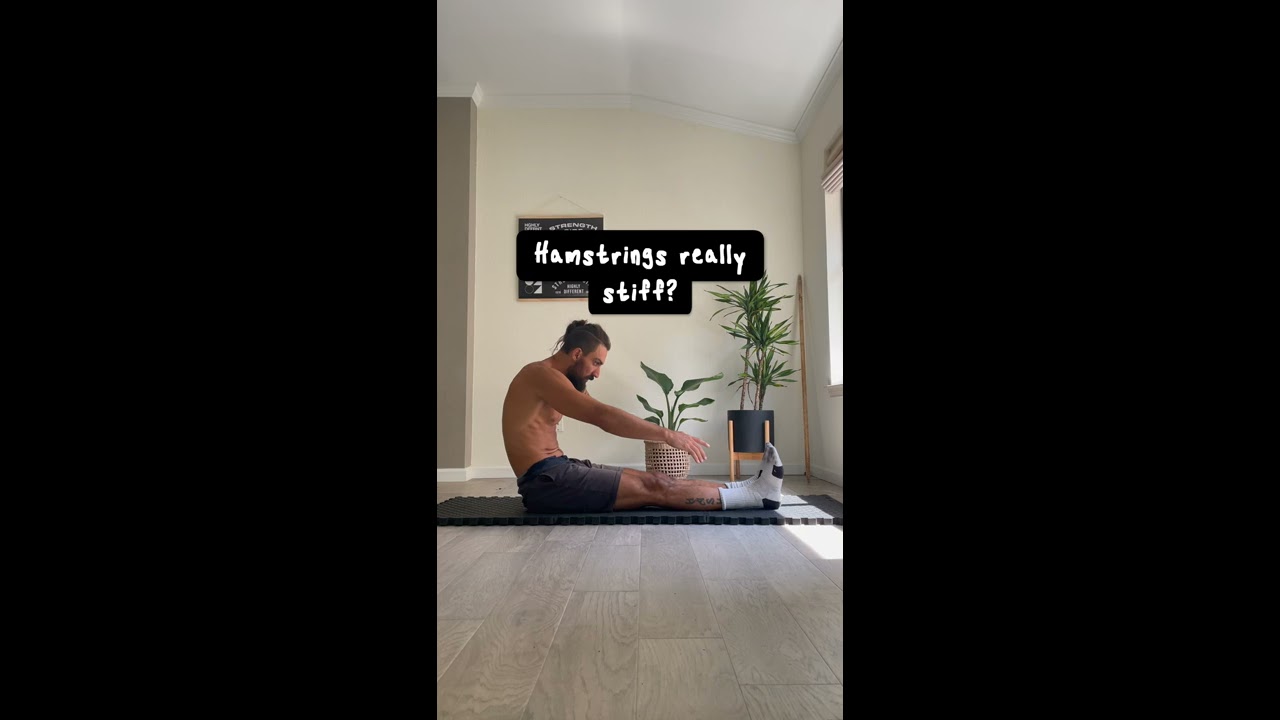
During Yoga Nidra sessions, practitioners typically lie down comfortably while following verbal guidance through different stages of awareness—from body scanning to visualizations aimed at releasing tension and anxiety. Many find they drift off into restful sleep during these sessions without realizing it—an ideal outcome for those seeking respite from insomnia or nighttime anxiety.
Gentle Stretches That Quiet the Mind
In addition to traditional poses, gentle stretches can effectively calm the nervous system before bed. Simple neck rolls or shoulder shrugs can alleviate built-up tension from daily stresses while helping shift focus away from racing thoughts.
Consider dedicating some time before bed specifically for these movements; they don’t require much space or equipment—just your own body’s weight and intention are enough to facilitate change.
Additional Tips for Better Sleep Hygiene
While integrating yoga into your routine is beneficial, there are other lifestyle adjustments that support healthy sleep patterns:
- Maintain consistent sleeping hours by going to bed and waking up at the same times each day. Limit screen time before bed—consider setting aside devices at least an hour prior. Be mindful of what you consume before bedtime; heavy meals or caffeine late in the day may disrupt restful sleep. Create a comfortable sleeping environment by regulating temperature and minimizing noise distractions as much as possible.
These practices complement yoga routines beautifully by establishing an overall lifestyle conducive to improved restfulness.
Embracing Restorative Practices
Ultimately, finding what works best for you is essential when exploring ways to fall asleep faster through yoga techniques. Each person’s experience will vary based on personal preferences and physiological responses; be patient as you discover which practices resonate most deeply with you.
Whether it's engaging in calming poses right before bed or delving into Yoga Nidra sessions throughout the week—embracing restorative practices cultivates an environment where not only falling asleep becomes easier but where deeper rest flourishes too.
By blending these effective techniques into your nightly ritual, you enhance not just quality of sleep but also overall well-being—a gift worth nurturing every night anew.
